Key Crops, Critical Diseases, and the Importance of Early Season Protection
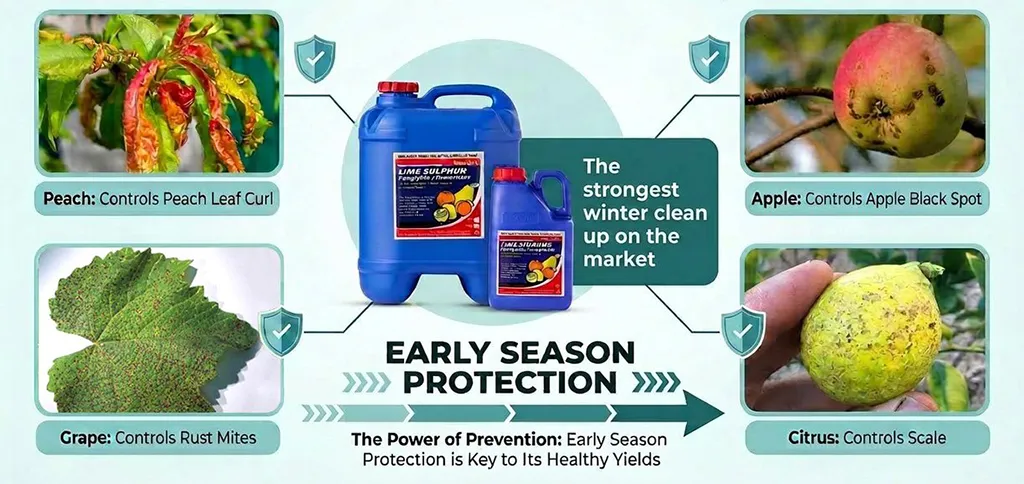
As growers prepare for the upcoming production cycle, early season disease management remains one of the most important agronomic decisions influencing crop health, yield potential, and long-term orchard performance.
Across orchards, vineyards, and horticultural systems, Kendon Lime Sulphur continues to play a significant role as a preventative management tool targeting overwintering fungal diseases, mite populations, and scale insects before spring growth begins.
Its broad-spectrum activity and multi-site mode of action make it particularly valuable in integrated disease management programs focused on reducing early inoculum pressure and improving seasonal disease control.
Apple Orchards – Black Spot (Apple Scab) Management
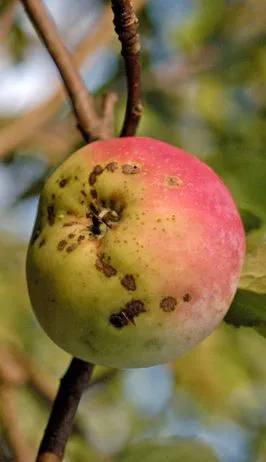
Black spot, caused by Venturia inaequalis, remains one of the major disease concerns in apple production.
The pathogen survives winter in infected leaf litter and dormant plant tissue before releasing spores during spring rainfall events. High inoculum pressure during early growth stages can rapidly establish infection within young foliage and fruit.
Applications of Kendon Lime Sulphur during dormant and delayed dormant periods, assist in reducing overwintering inoculum prior to ascospore release.
Agronomic Benefits:
- Reduced primary infection pressure
- Improved early season disease suppression
- Support for integrated fungicide rotation programs
- Lower disease carryover into peak production periods
- Other than Black Spot, Kendon Lime Sulphur effectively controls Powdery Mildew & San Jose Scale
Vineyards – Rust Mite Management
Rust mites can be a significant pest in vineyards, particularly during periods of rapid vine growth. Feeding by rust mites may cause leaf bronzing, reduced photosynthetic activity, impaired shoot development, and can negatively affect vine vigour and fruit quality. Early monitoring and timely intervention are important to prevent population build-up and minimise economic impact.
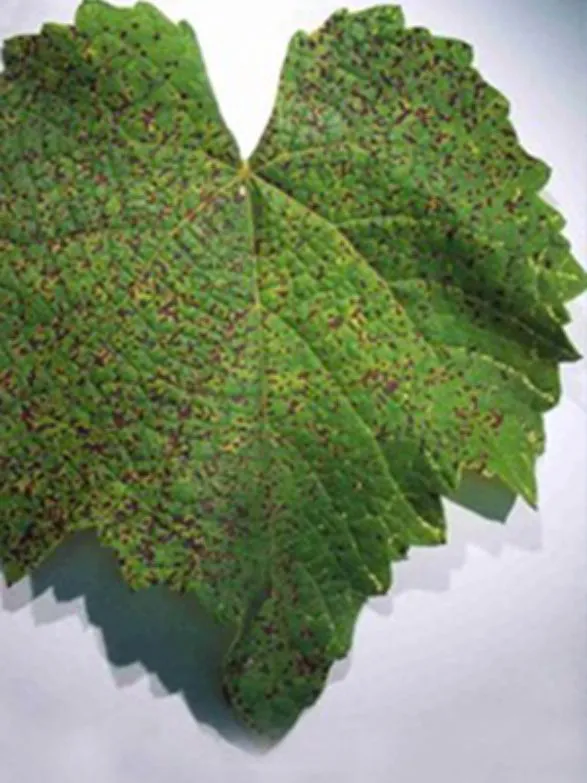
Kendon Lime sulphur is commonly used during the dormant season and early spring to assist in reducing overwintering rust mite populations before vine growth commences, supporting season-long pest management programs.
Agronomic Benefits:
- Suppression of overwintering rust mite populations
- Support for early-season pest management
- Reduced pest pressure during canopy development
- Improved vine health and vigour
- Compatibility with integrated vineyard management programs
- Support for sustainable resistance management strategies
- Kendon Lime Sulphur effectivly controls Bud Mites, Erinose Mites and Vine Bunch Mites as well.
Stone Fruit Orchards – Peach Leaf Curl Control
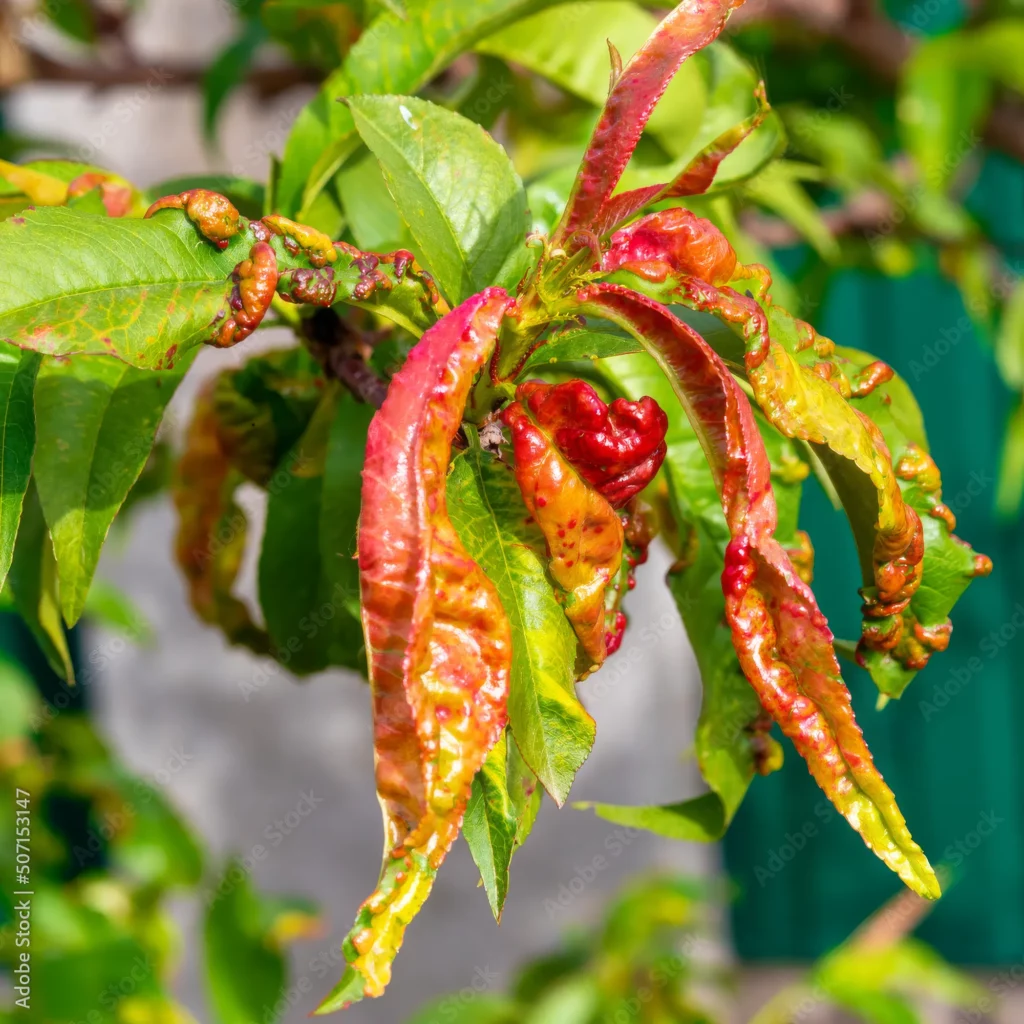
Peach leaf curl, caused by Taphrina deformans, infects buds during cool, wet winter and early spring conditions. Once infection occurs, control options become limited, making preventative management essential.
Kendon Lime Sulphur sprays during dormancy, remain one of the most reliable approaches for reducing infection risk before bud movement and leaf emergence.
Agronomic Benefits:
- Preventative protection during dormancy
- Reduced leaf distortion and defoliation
- Improved tree vigor and canopy health
- Reduced stress during fruit set
- Kendon Lime Sulphur is also recommended for the control of Bryobia Mite, Shot Hole, Freckle, Rust, Brown Rot, San Jose Scale, and Frosted Scale.
Citrus Production – Scale and Mite Reduction
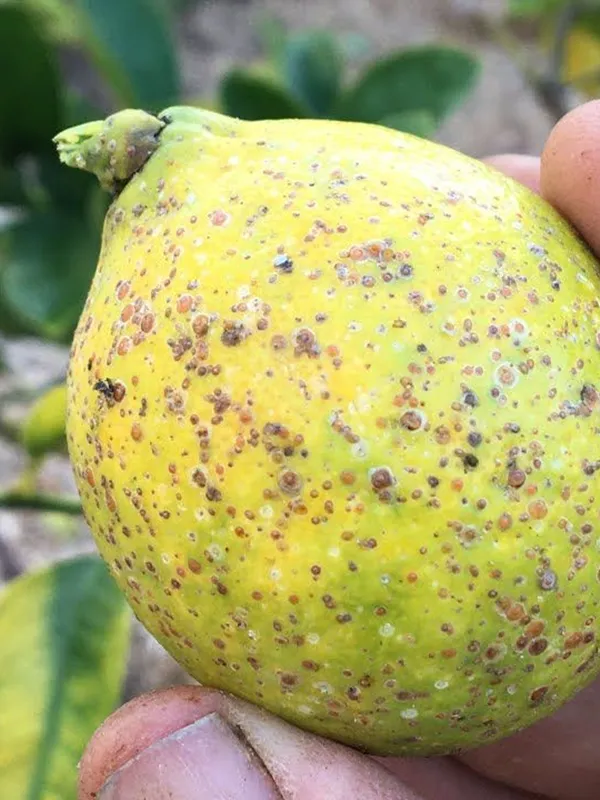
White Louse Scale and Maori Mites can overwinter within bark crevices and protected canopy areas, leading to early population establishment during spring.
Winter sanitation sprays using Kendon Lime Sulphur assist in reducing overwintering pest populations before active seasonal growth resumes.
Agronomic Benefits:
- Suppression of overwintering scale populations
- Reduction in mite egg survival
- Cleaner canopy development
- Improved effectiveness of integrated pest management programs
Pome and Stone Fruit – Orchard Sanitation Programs
Kendon Lime Sulphur sprays during dormancy, plays an important role in orchard sanitation by targeting:
- Fungal spores
- Dormant infections
- Mite eggs
- Scale insects
- Pathogen reservoirs
Reducing pathogen carryover before spring growth can significantly lower disease pressure throughout the season.
Agronomic Benefits:
- Lower inoculum pressure
- Improved spray program efficiency
- Support for preventative disease management
- Stronger early season crop establishment
Why Timing Matters
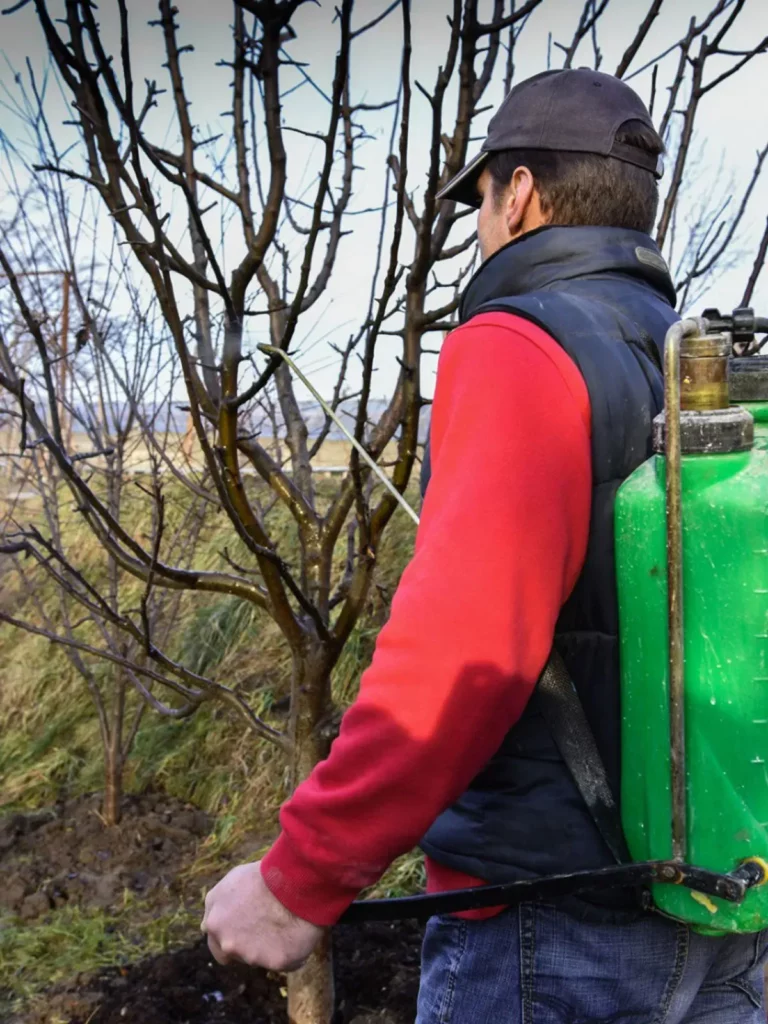
The effectiveness of Kendon Lime Sulphur is strongly influenced by application timing. Application during dormant and delayed dormancy periods are particularly important because they target pathogens and pest populations before active infection cycles begin.
Critical factors influencing performance include:
- Temperature
- Spray coverage
- Crop growth stage
- Seasonal rainfall patterns
- Disease pressure history
Correct timing allows growers to maximise disease suppression while supporting broader integrated crop management strategies.
Supporting Reliable Early Season Disease Management
For growers seeking protection during dormant season, Kendon Lime Sulphur continues to provide broad-spectrum support across orchards, vineyards, and horticultural production systems.
Formulated for use in integrated disease and pest management programs, Kendon Lime Sulphur assists in the suppression of overwintering fungal diseases, mites, and scale insects while supporting preventative crop protection strategies.
Its multi-site activity and proven field performance make it a valuable tool in:
- Apple and pear orchards
- Vineyards
- Stone fruit production
- Citrus systems
- Integrated and sustainable farming programs
As modern agriculture continues to focus on resistance management and long-term crop health, sulphur-based chemistry remains an important component of effective early season agronomy.
Kendon Lime Sulphur — supporting cleaner starts, healthier crops, and stronger seasonal disease management outcomes. Ask your trusted supplier for Kendon Lime Sulphur — available in 500mL, 5L, 20L, 200L, and 1000L pack sizes.
Have questions or need more details? Reach out to us on our contact form or (03) 9497 2822 — we’re always happy to help.
Or simply click on the REQUEST SDS button for a Safety Data Sheet (SDS) on the pages below: