
Australian growers are facing a growing challenge: fungicide resistance is increasingly affecting major horticultural crops. Real-world examples highlight the urgency:
- Botrytis (found in strawberries and grapes) has developed resistance to multiple fungicide classes.
- Sigatoka (in bananas) shows reduced sensitivity to triazole fungicides.
- Powdery mildew (in vineyards and cucurbits) often exhibits resistance to DMI (Demethylation Inhibitor) fungicides.plant will set
These cases demonstrate that even highly effective modern fungicides can fail if resistance develops, making proactive management essential.

Botrytis in Strawberries
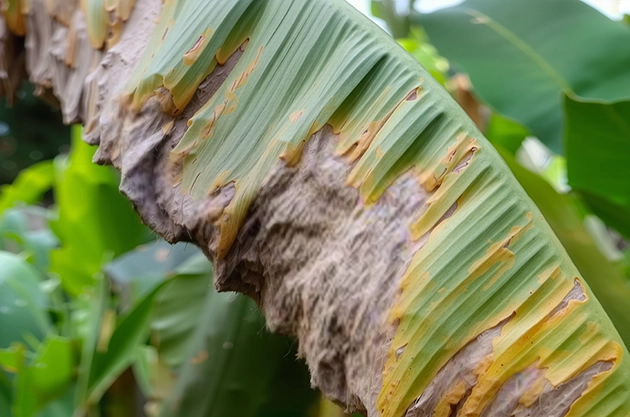
Sigatoka in Bananas
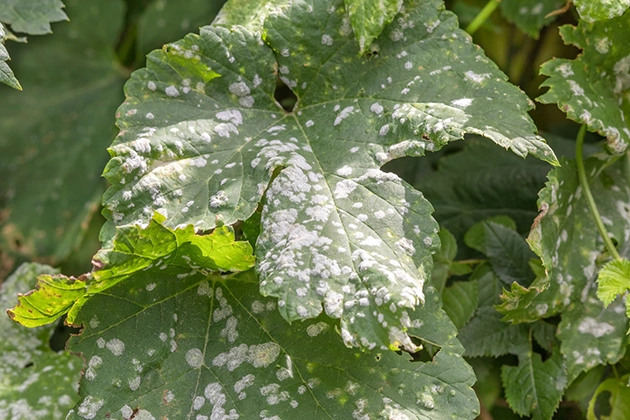
Powdery Mildew in Grapes
The risk of relying on single site fungicides
Many of today’s new-generation fungicides are single-site inhibitors, designed to target a very specific biochemical process in the fungal cell. While highly effective initially, repeated use can lead to genetic mutations in fungi, reducing the efficacy of these products—or even entire chemical groups.
The consequences of resistance include:
- Sudden control loss: An effective product may fail dramatically in the field.
- Cross-Resistance: Resistance to one product can extend to others in the same chemical group (eg: Strobilurins).
- Rising costs and fewer options: Loss of chemical groups forces growers to rely on more expensive or less effective alternatives.
The solution: Integrate a multi-site fungicide into your spray rotation to safeguard your disease management program.
Kendon Mancozeb : The Cornerstone of fungicide resistance management
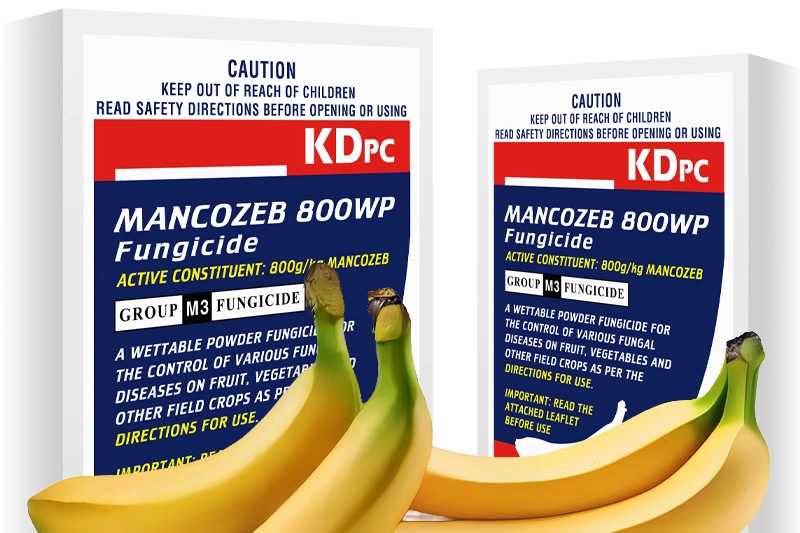
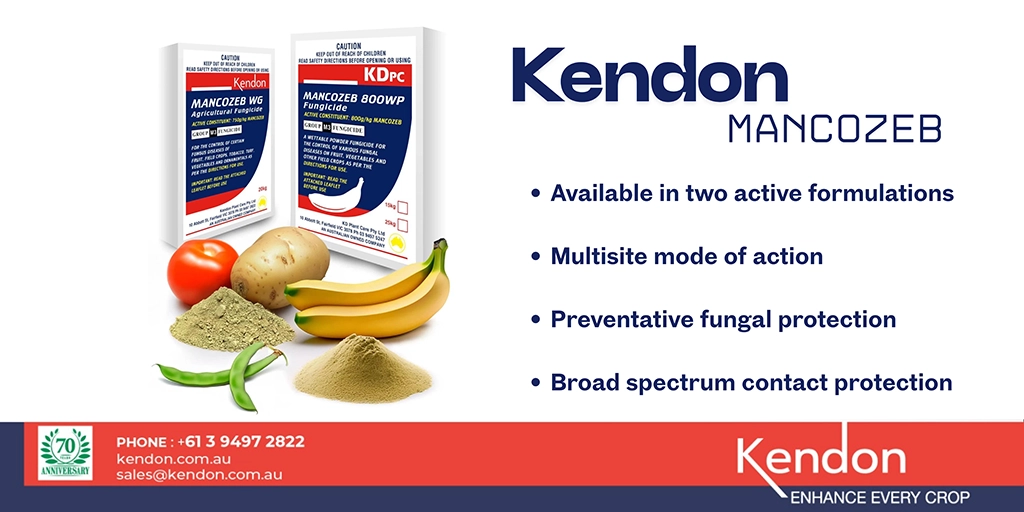
Mancozeb isn’t just a fungicide—it’s a proven resistance management tool, trusted for over 60 years. At Kendon, we provide high-quality formulations like Kendon Mancozeb 750 WG and Mancozeb 800 WP, protecting a wide range of Australian crops including fruits, vegetables, ornamentals, and field crops.
Why Mancozeb works:
- Multi-Site Mode of Action (FRAC Group M:03)
- Targets multiple biochemical sites in the fungal cell.
- Disrupts lipid metabolism, cellular respiration, and ATP production.
- Resistance is extremely rare because fungi would require multiple simultaneous mutations.
- Preventative fungal protection
- Breaks down in moisture to release active agents (ethylene bis-isothiocyanate sulfide).
- Forms a protective barrier on plant surfaces to prevent spore germination and penetration.
- Broad-Spectrum Contact Protection
Non-systemic, acts on contact, protecting leaves, stems, and fruits. Effective against major Australian fungal diseases:- Early Blight (Alternaria solani) in tomatoes and potatoes
- Late Blight (Phytophthora infestans) in potatoes, tomatoes, and leafy vegetables
- Downy Mildew (Peronospora spp.) in vegetables and grapes. (Plasmopara viticola)
- Rusts (Puccinia spp.) in cereals and ornamentals
- Scabs (Venturia inaequalis) and Leaf Spots (Botryosphaeria obtuse) in apples, pears, and stone fruits
- Anthracnose (Colletotrichum gloeosporioides) in capsicum, mangoes, and avocado
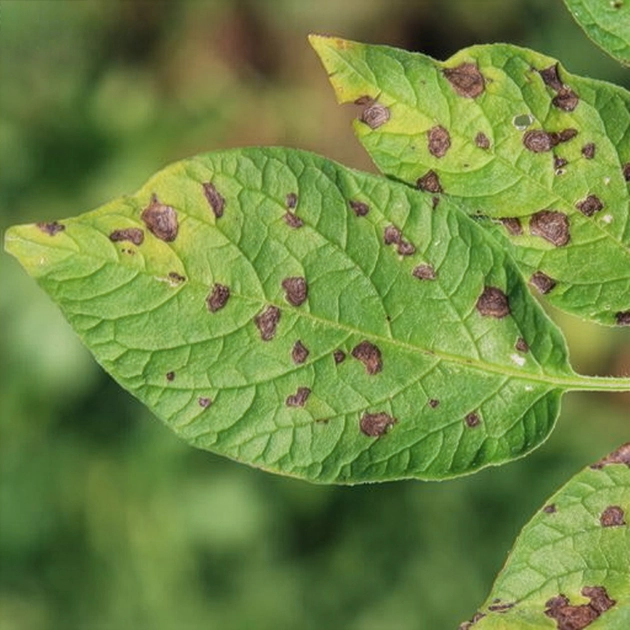
Early Blight in Potatoes
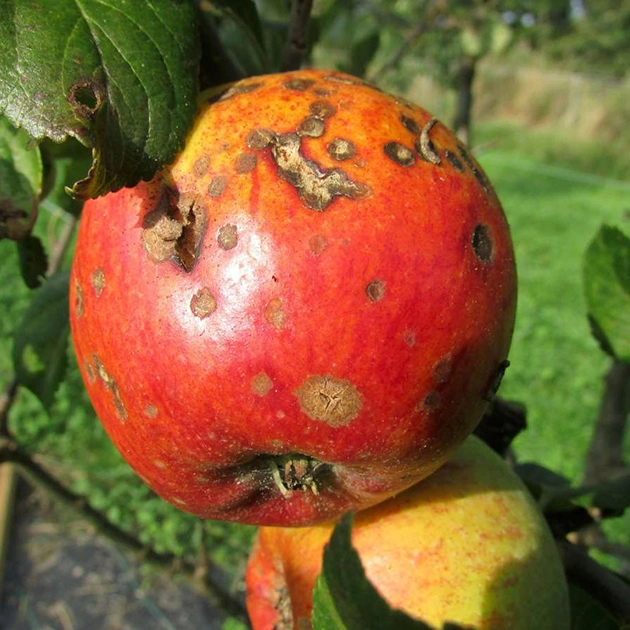
Apple Scab
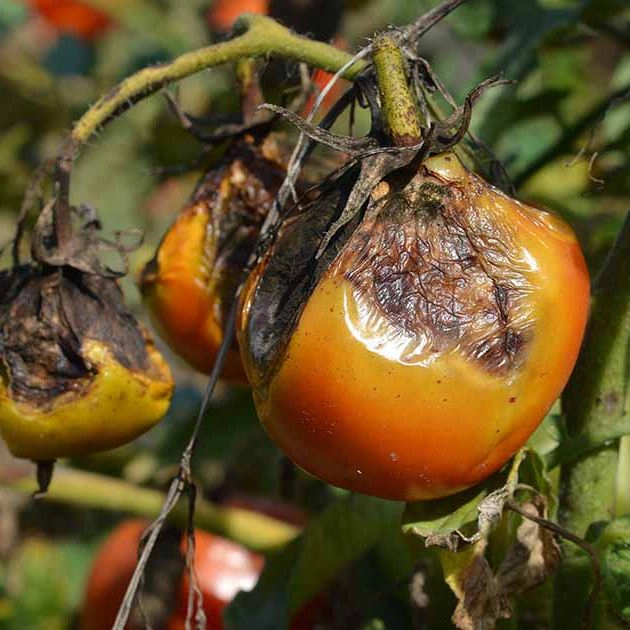
Late blight in Tomatoes
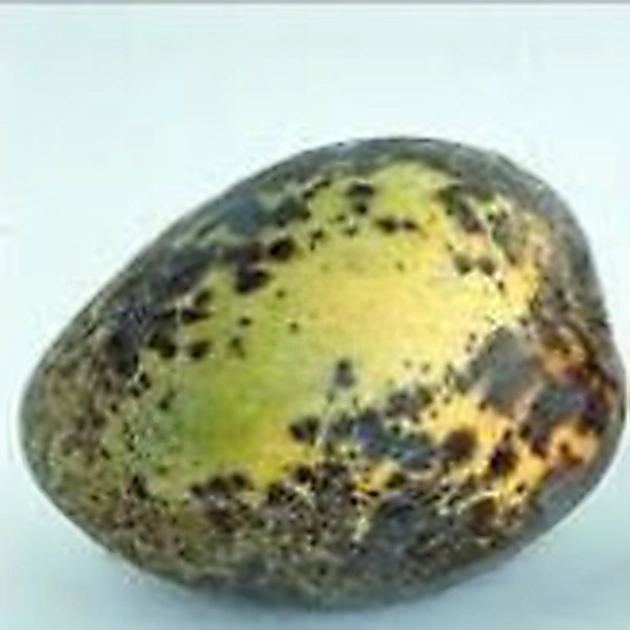
Anthracnose in Mango
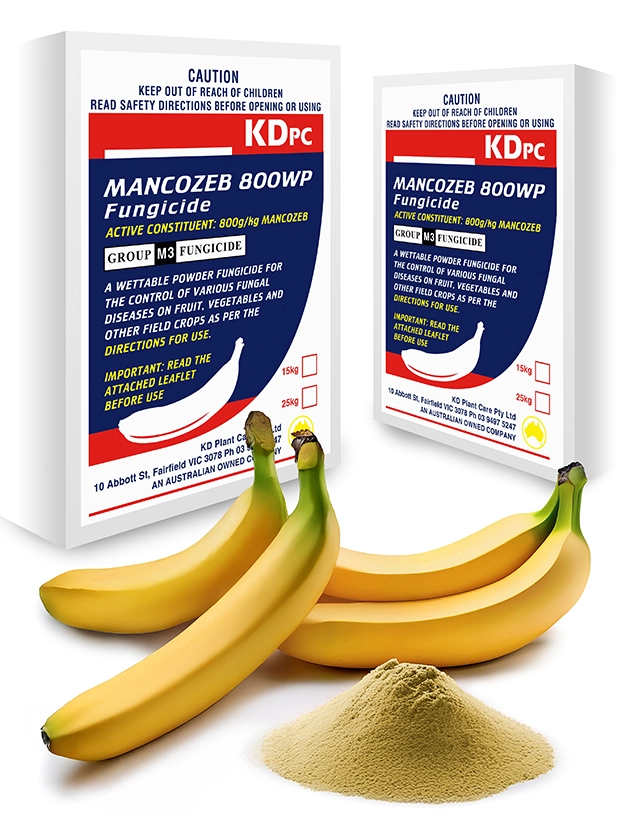
Kendon Mancozeb 800 WP for Banana Fungicide Resistance Management
Kendon Mancozeb 800 WP holds APVMA registration especially for bananas, giving growers a trusted solution against key fungal threats. Mancozeb 800 WP provides effective multi-site protection against:
- Black Pit
- Leaf Spot (Sigatoka disease)
- Cordana Leaf Spot
- Fruit & Leaf Speckle
- Anthracnose
This helps keep banana crops healthy while reducing the risk of resistance developing to other fungicides.
The Kendon Advantage
Including Kendon Mancozeb in your Integrated Pest Management (IPM) program achieves two critical goals:
- Effective Control: Immediate, broad-spectrum protection.
- Future-Proofing: Safeguards single-site fungicides by reducing resistance pressure.
Whether you choose Mancozeb 750 WG (low-dust, water-dispersible granules) or Mancozeb 800 WP (highly concentrated wettable powder), you’re investing in a proven, foundational product for sustainable, long-term disease control in Australian horticulture—including bananas.
Grower Tips : Managing Fungicide Resistance
- Rotate Fungicides: Alternate between products with different FRAC (Fungicide Resistance Action Committee) codes to reduce resistance pressure.
- Use Multi-Site Fungicides: Include Kendon Mancozeb or other multi-site protectants in spray programs.
- Apply Correctly: Follow recommended rates, timing, and ensure full coverage.
- Integrate Cultural Practices: Prune, remove diseased debris, and improve airflow to lower disease pressure.
- Monitor Regularly: Scout fields and test pathogens if fungicide performance declines.
- Record-Keeping: Track sprays, disease outbreaks, and crop performance for informed decision-making.
Have questions or need more details? Reach out to us on our contact form or (03) 9497 2822 — we’re always happy to help.
Or simply click on the REQUEST SDS button for a Safety Data Sheet (SDS) on the Mancozeb Fungicide page.